Two A.M. Is When the Masks Come Off: Notes on America's Quietest Confessional
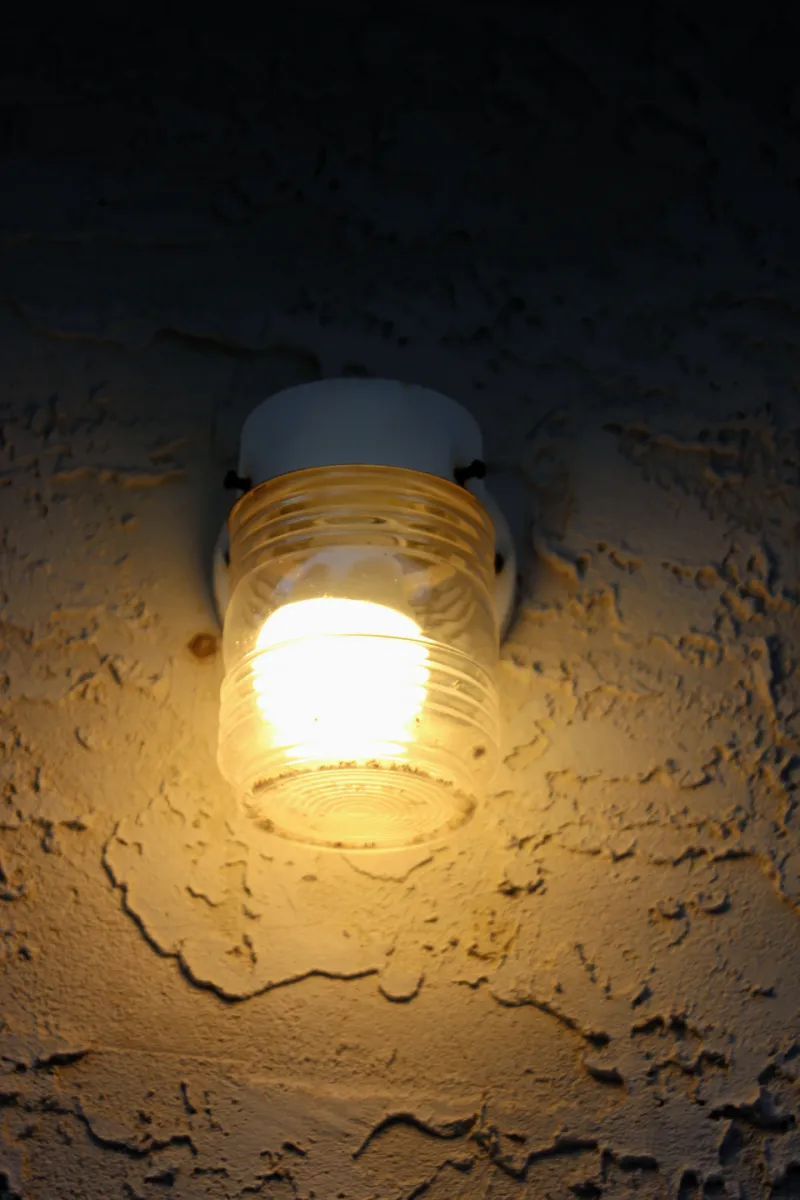
Photo: Henryemix, CC0, via Wikimedia Commons
My friend Dana sent me a voice memo last Tuesday at 2:14 a.m. It was nine minutes long. In it, she admitted she'd been miserable at her job for two years, that her marriage was quieter than she let on, that she missed who she used to be before the mortgage and the morning commute. At 9 a.m. the next day, she texted: "Sorry about last night, ignore all that."
I didn't ignore it. I've been thinking about it ever since — about why the truth seems to only come out when the sky goes dark.
The Hour That Isn't Quite Night
Photographers have a name for the strange light after sunset but before true black: the blue hour. The sun is below the horizon, but its glow still stains the sky a deep, electric indigo. Cities glow warmer against it. Faces soften. It's the shortest window of the day — rarely more than thirty minutes — and filmmakers have chased it for decades. Terrence Malick built entire scenes inside it. Every romantic movie montage you've ever cried at was probably shot in those few spare minutes when the world looks lit from within.
There's a reason for that. The blue hour flatters everything it touches. Shadows lose their edges. Harsh truths, like harsh light, get diffused.
I've come to believe the same thing happens to us. Somewhere between the last notification of the evening and the first alarm of the morning, there's a psychological blue hour — a dimming of the inner lighting that makes confession possible.
Nobody Confesses at Noon
Try to imagine the most honest conversation of your life happening in a fluorescent-lit break room at 12:30 p.m. You can't. Daylight demands performance. The noon version of ourselves is on the clock — managing impressions, returning emails, keeping the machinery of the American workday humming. Sociologists call it front-stage behavior, the self we present when the audience is watching. Daylight is all audience.
But the porch at midnight? The passenger seat of a parked car? The kitchen at 1 a.m., lit only by the light over the stove? Those are backstage spaces, and backstage is where the truth lives.
American folklore has always known this. The porch light, the campfire, the long drive down an interstate with nothing but taillights ahead — these are our secular confessionals. Before there were therapists in every zip code, there was the drive home from the bar where your buddy finally said the thing. Before podcasts, there was the late-night radio host taking calls from insomniacs across three time zones, strangers unburdening themselves into the dark together.
What the Dark Forgives
Part of it is practical, of course. Willpower is a battery, and by evening it's drained. The filters we run our sentences through all day simply run out of juice. But I don't think it's just exhaustion. I think darkness offers something daylight never can: anonymity without distance.
In the dark, you can't fully see the person you're talking to, and they can't fully see you. Eye contact softens into a suggestion. Faces become outlines. And paradoxically, that blur makes intimacy easier, not harder. It's the same reason people talk in the dark of a movie theater, why road trips produce conversations that dinner parties never could. Remove the witness-y quality of being seen, and people start saying things they mean.
There's also the simple fact that at 2 a.m., tomorrow hasn't arrived yet. The day's failures are still close enough to feel, but the day itself is over — no more chances to fix anything, so no more pretending you will. The performance ends because the stage has closed.
The Blue Hour Economy
Here's what troubles me, though. We've built an entire attention economy that colonizes that hour. The phone on the nightstand doesn't want your confessions; it wants your scroller's trance. The blue hour used to belong to thoughts — to the slow, unstructured rumination where honesty ferments. Now it belongs to feeds.
I'm as guilty as anyone. Half my 2 a.m. voice memos go unsent because I got distracted by a video of a man restoring a rusty knife. The confessional is still there, but the congregation keeps checking its phone.
So here's my small proposal, and I offer it as someone who fails at it constantly: protect one dark hour. Not for productivity — God knows we've monetized enough hours — but for the old, unfashionable work of telling yourself the truth. A porch. A window. A parked car with the engine off. Somewhere the light is blue and low and forgiving.
Dana never brought up the voice memo again, and I haven't pressed her. But last weekend, at a cookout in full daylight, she caught my eye across the yard and gave me a look that said you know. And I do. We all do. The truth is in there all day long. It just waits for the lights to go down before it comes out to talk.
The blue hour lasts thirty minutes. The honesty it produces can last a lifetime. Choose your window accordingly.