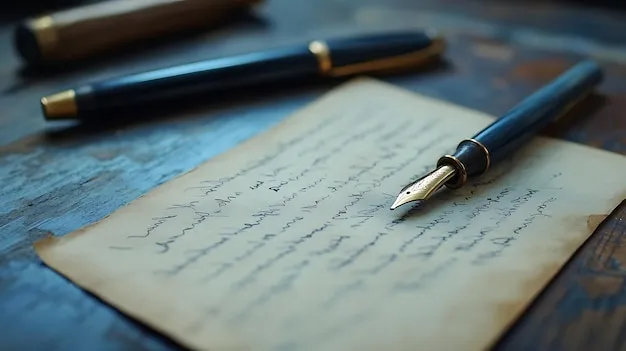
Essay
Nine Letters I Wrote and Never Mailed, and What Each One Was Actually About
Over nine years I wrote nine letters I never sent — to old friends, to strangers, to who I used to be. A list of unsent mail that turned out to be a map of a life.
Where stories drift into the light
Over nine years I wrote nine letters I never sent — to old friends, to strangers, to who I used to be. A list of unsent mail that turned out to be a map of a life.
Every interstate exit hides a town most of us will never see. I took Exit 214 on a whim and found the rawest version of the American story — served in a booth, under a flickering sign, at 2 p.m. on a Tuesday.
Everyone has one — the drawer of dead batteries, rubber bands, and keys to doors that no longer exist. I opened mine and found the most honest autobiography in the house.
A scrap of paper, a stranger's looping cursive, and suddenly you're holding someone's whole afternoon in your hands. On the accidental poetry of handwriting — and why we're losing it just as we learn to love it.
The laundromat is America's most honest waiting room — a place where strangers air their private lives one spin cycle at a time. A tender, slightly funny meditation on lint, lost socks, and the twenty-third hour.
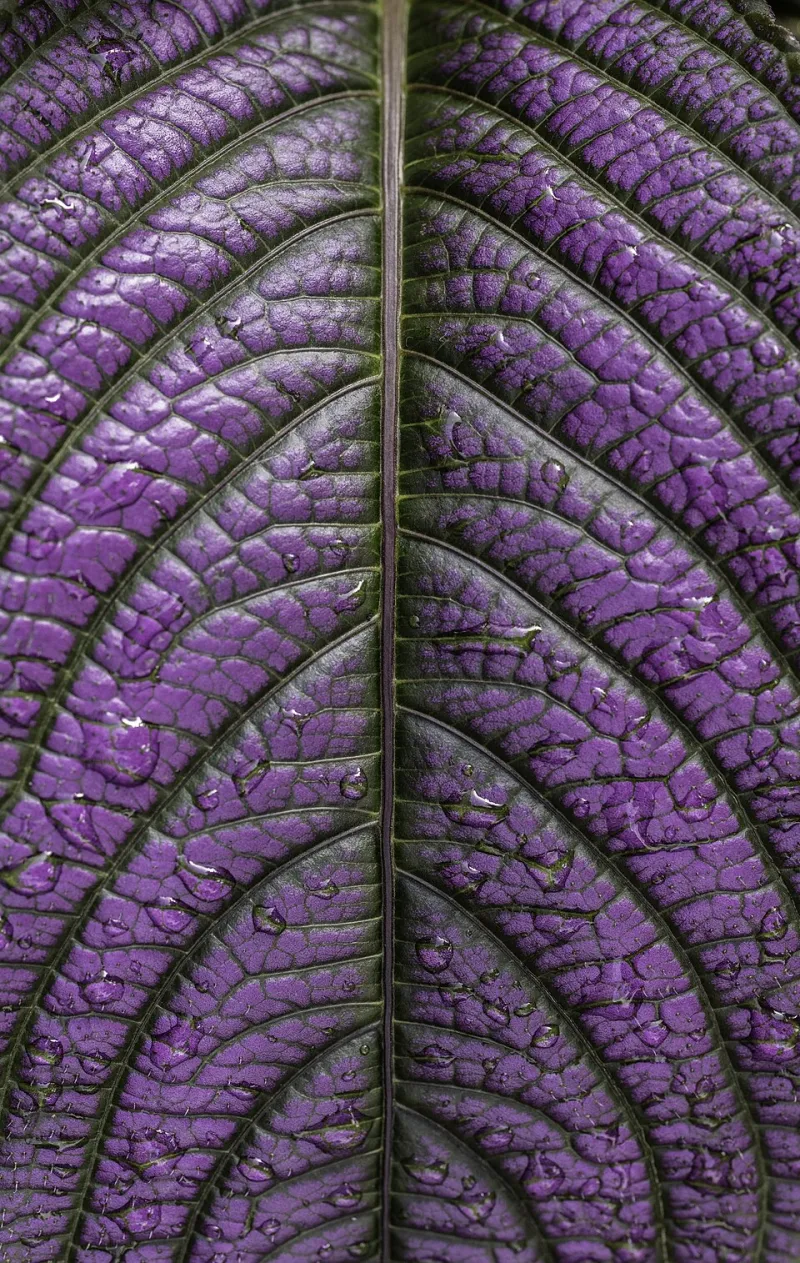
Somewhere between the watering can and the windowsill, millions of Americans are having conversations nobody else will ever hear. An essay on the strange, one-sided tenderness of houseplants—and what my dying pothos taught me about grief.
Somewhere between page 112 and page 113 of a secondhand Steinbeck, a stranger left behind a grocery list, a bus transfer, and a piece of their life. These accidental artifacts might be the most honest writing America produces.
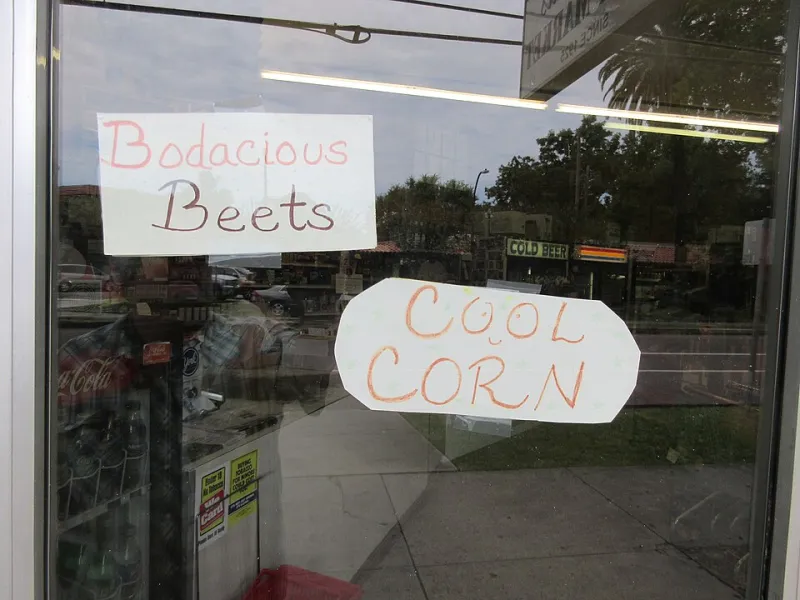
The discarded shopping list might be the most honest document in America. Nobody writes one for an audience — which is exactly why we should be reading them.
Before the stream, there was the struggle — the coat hanger antenna, the radio DJ whose name you never learned, the Sunday paper heavy as a phone book. This is a eulogy for friction, and a case for putting a little of it back into our creative lives.
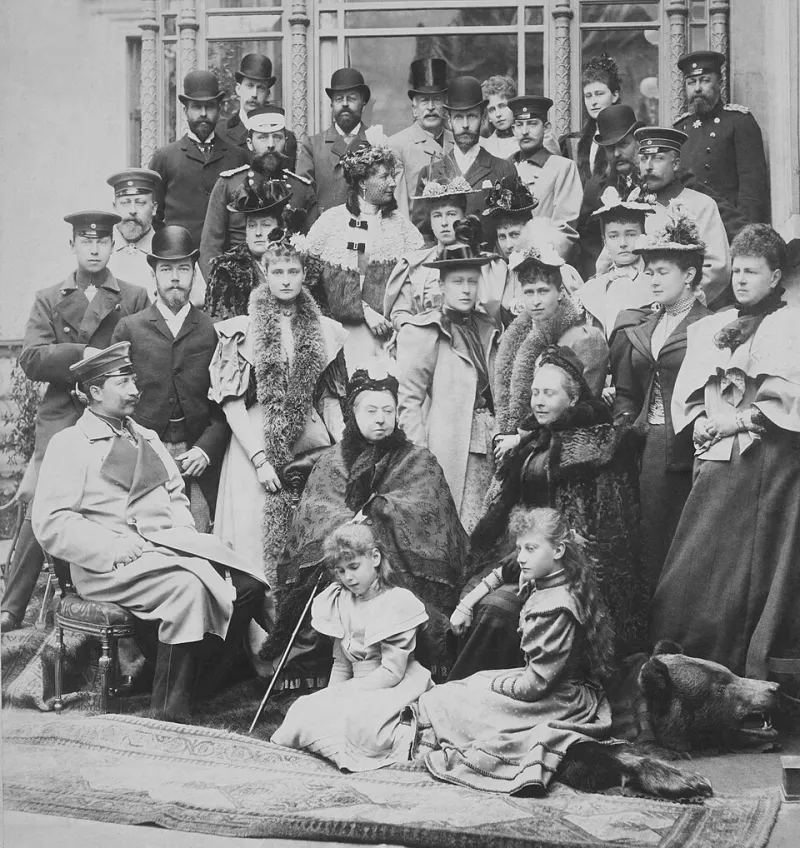
A shoebox of family photographs surfaced after a decade in a closet, and most of it refused to explain itself. On the strange mercy of images that keep their secrets — and why the blurriest frame in the box might be the one worth framing.
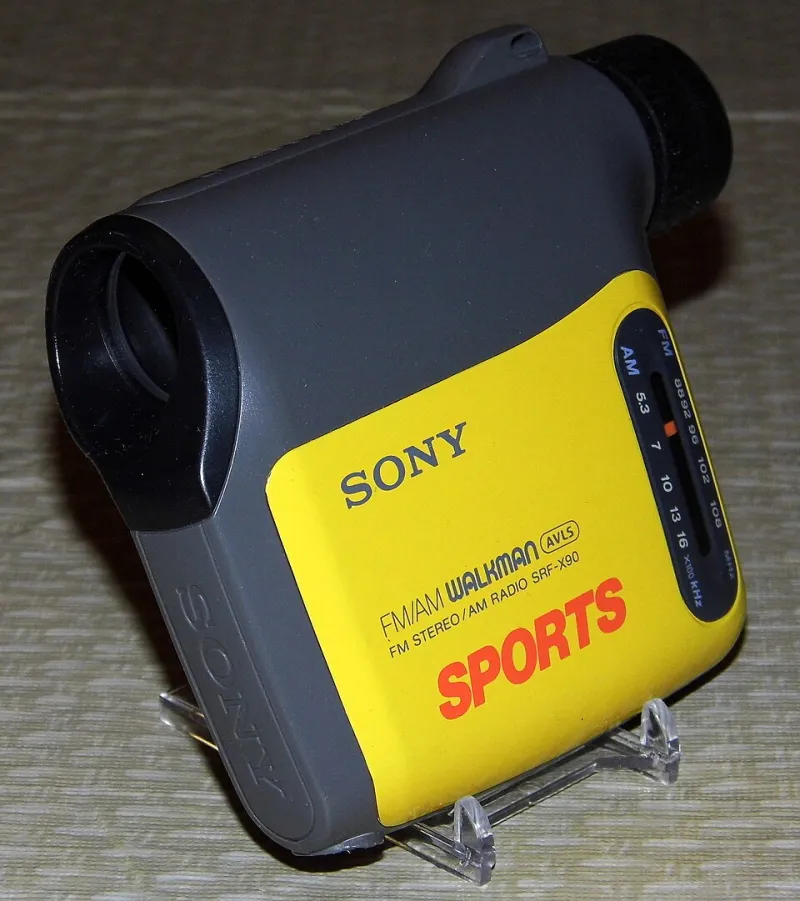
Somewhere between the static and the signal, a whole generation learned patience. This is a eulogy for the radio dial — and for the strange, necessary art of not knowing what comes next.
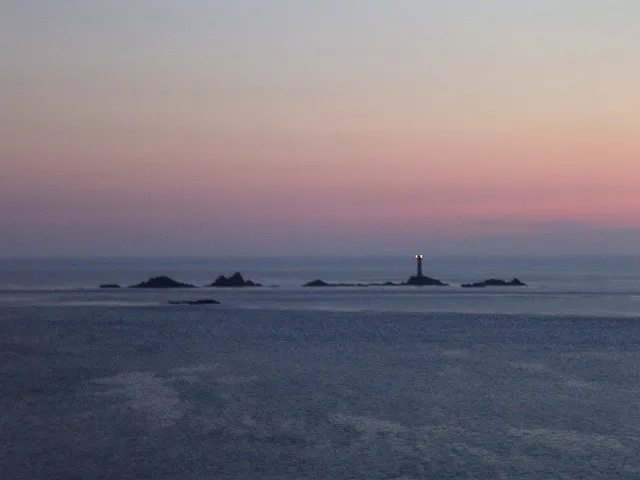
Some stories find us right before the rocks do. This is a meditation on the art that guided us through our worst seasons—and why going back to say thank you might be the most honest kind of homecoming.
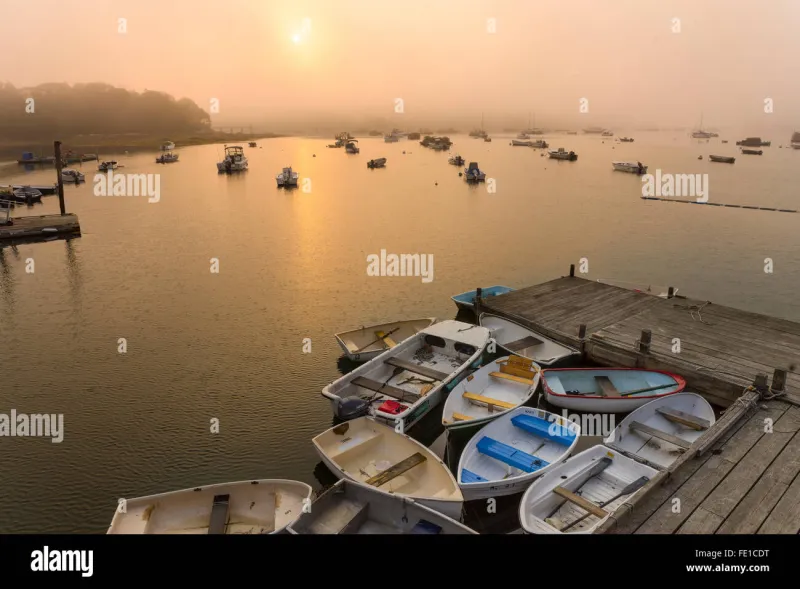
Living on the coast rewired how I think about creativity. The ocean taught me that revision, patience, and the willingness to let a sentence recede are not obstacles to honest writing — they are the writing.

There's a folder on my phone I've never shown anyone—blurry sunsets, half-finished sketches, lines of poetry that go nowhere. This is a defense of the art we make purely because we can't help it.
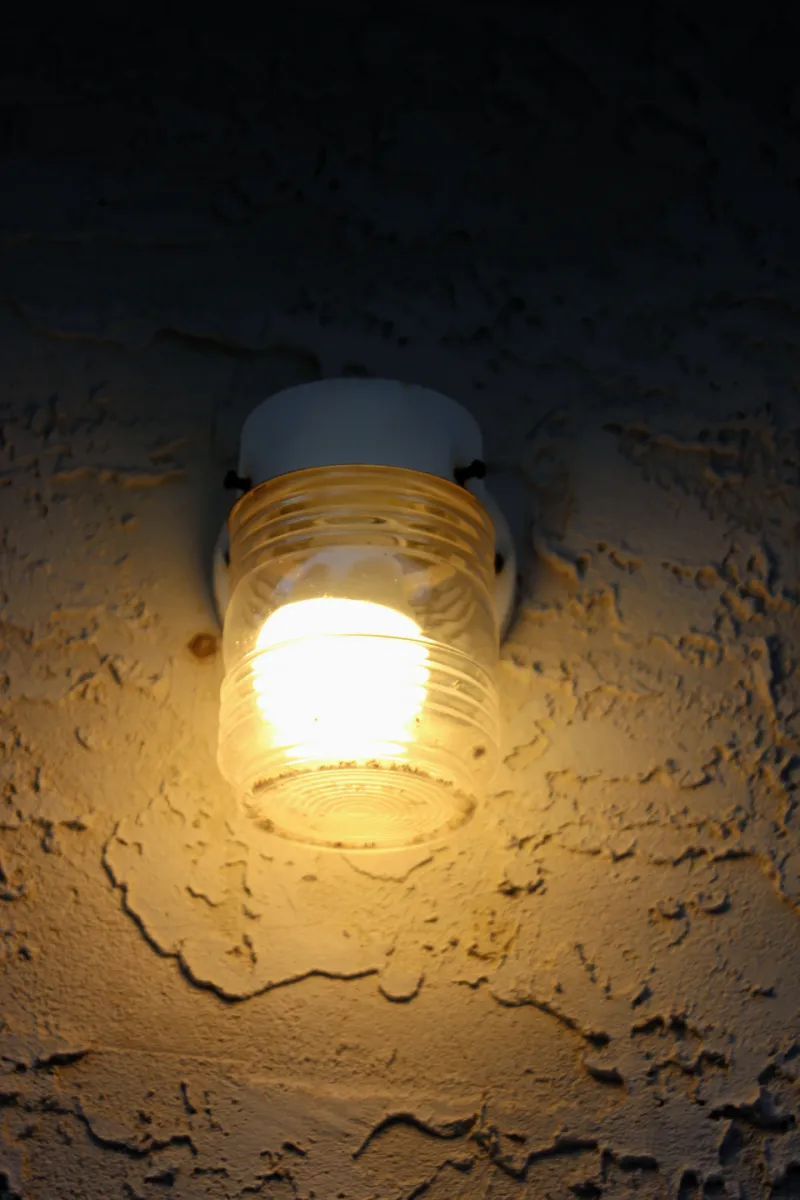
There's a reason nobody tells the truth at lunch. A meditation on the blue hour, 2 a.m. voice memos, and why darkness has always been America's most forgiving listener.