I Apologized to a Dying Pothos and Meant It
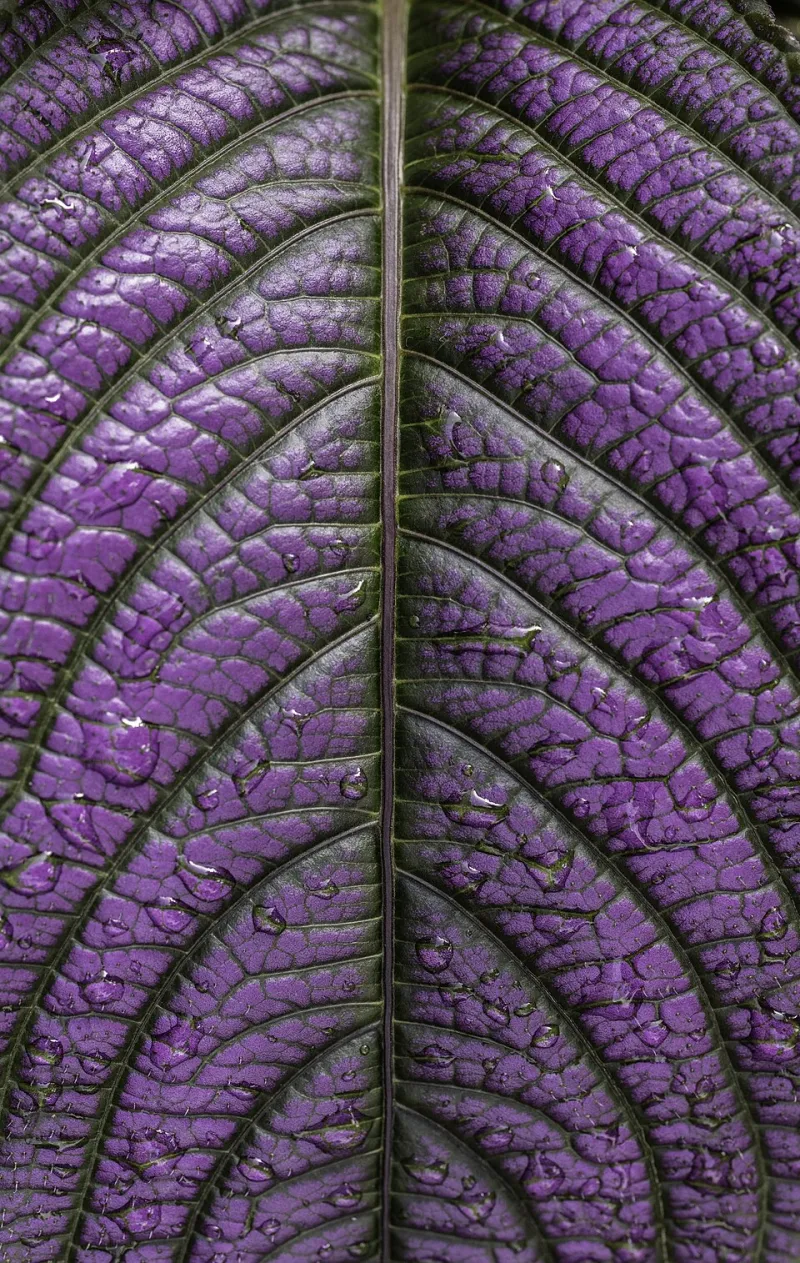
Photo: Wilfredor, CC0, via Wikimedia Commons
There's a moment I'm slightly embarrassed to admit to. It happened on a Tuesday, in my kitchen, over a pothos named Harold that had been fading for weeks. I picked up one of his yellowing leaves, felt it crumple between my fingers like old paper, and said—out loud, to no one—I'm sorry. I should have noticed sooner.
Harold did not respond. Harold was, in the technical sense, a vine with no capacity for response. And yet the apology landed somewhere real, because I meant it, and because the person I was apologizing to mattered less than the fact that I needed to say it.
If you've ever watered a plant at midnight, whispered encouragement to a stubborn fiddle-leaf fig, or quietly buried a succulent in the trash like it deserved better than the trash, you already know: the relationship is not really about the plant.
The One-Sided Conversation We're All Having
America has fallen hard for its houseplants. There are more than a few reasons cited—pandemic nesting, apartment living, the aesthetic pull of a monstera against a white wall—but the deeper one is simpler. We moved into smaller spaces, further from family, later into marriage and parenthood than any generation before us, and something in us still needed to keep something alive.
So we did. We bought pothos at the grocery store checkout. We followed plant-fluencers who name every leaf and film repotting videos with the reverence of a nature documentary. We built shelves for grow lights and joined Facebook groups where strangers troubleshoot root rot at two in the morning. The US houseplant industry is now measured in billions, and almost none of that money buys anything the plant actually needs. The plant needs water and light. We need the rest of it.
Because here's what nobody says out loud in the garden center: talking to plants is a socially acceptable form of talking to yourself. It's practice. It's a rehearsal for every other act of care in a life that may or may not contain anyone to receive it.
Naming the Green Things
My friends' plants have names the way pets do—Ruth the rubber tree, Big Gerald the fiddle-leaf, a snake plant called Denise who has survived conditions that would end lesser foliage. The naming is the tell. You don't name what you don't intend to keep. You don't name furniture.
And once something has a name, it has a claim on you. Ruth can't ask to be watered. But Ruth has a face now, or the rough botanical equivalent, and when her leaves droop, something in the chest tightens in a way that is unmistakably, inconveniently emotional.
This is the peculiar magic trick of houseplants: they let us feel the full weight of caring for another living thing without any of the friction that usually comes with it. No opinions, no needs that compete with ours, no possibility of rejection. A relationship with all of the tenderness and none of the risk. Which sounds like a criticism, but I've come to think it's closer to a mercy. Some seasons of life, the safest place to practice devotion is a windowsill.
What Harold Taught Me About Grief
Harold came to me from a coworker who was moving to Portland and couldn't take him across the country. He was gorgeous then—a cascade of green spilling off the top of the bookshelf, the kind of plant people point at and say wow.
His decline was slow, which is the cruel part. Not enough light, probably. Then inconsistent water, because I was traveling, because I was busy, because I told myself pothos were unkillable and therefore required nothing of me. The leaves yellowed one by one, and each time I noticed, I felt a small sharp shame that had nothing to do with horticulture.
Because that's what losing a plant actually stirs up: every other thing we failed to notice until it was too late. The friendship that faded while we were busy. The phone call we kept postponing. The version of ourselves we meant to become. A dying plant is a mirror with leaves on it.
When the last green stem finally went, I didn't just toss the pot. I sat with it for a while, the way you do. And I realized the grief was genuinely grief—disproportionate to a seven-dollar vine, exactly proportionate to what the vine had been standing in for.
The Tending Is the Point
I bought a new pothos the following spring. I named her Maribel. She sits where Harold sat, in slightly better light, because I learned something after all.
I still talk to her. Not much, not dramatically—just the running commentary of a person who lives alone with a green thing that listens the way walls listen. You're looking good today. Let's get you some water. If a neighbor heard me through the window, they'd think nothing of it. Half of America is saying the same things to the same kinds of quiet green companions.
We call it a hobby, the plant thing. A mood. An aesthetic. But I think it's a language—one we speak fluently and rarely translate. Every misting and murmured apology is a sentence in it, and the sentence always says the same thing: I am here. Something depends on me. I will show up tomorrow.
The plants can't answer. That was never the point. The point is that we keep talking anyway—and in the talking, we become someone who shows up. Even for a pothos. Especially for a pothos.